Skip to content
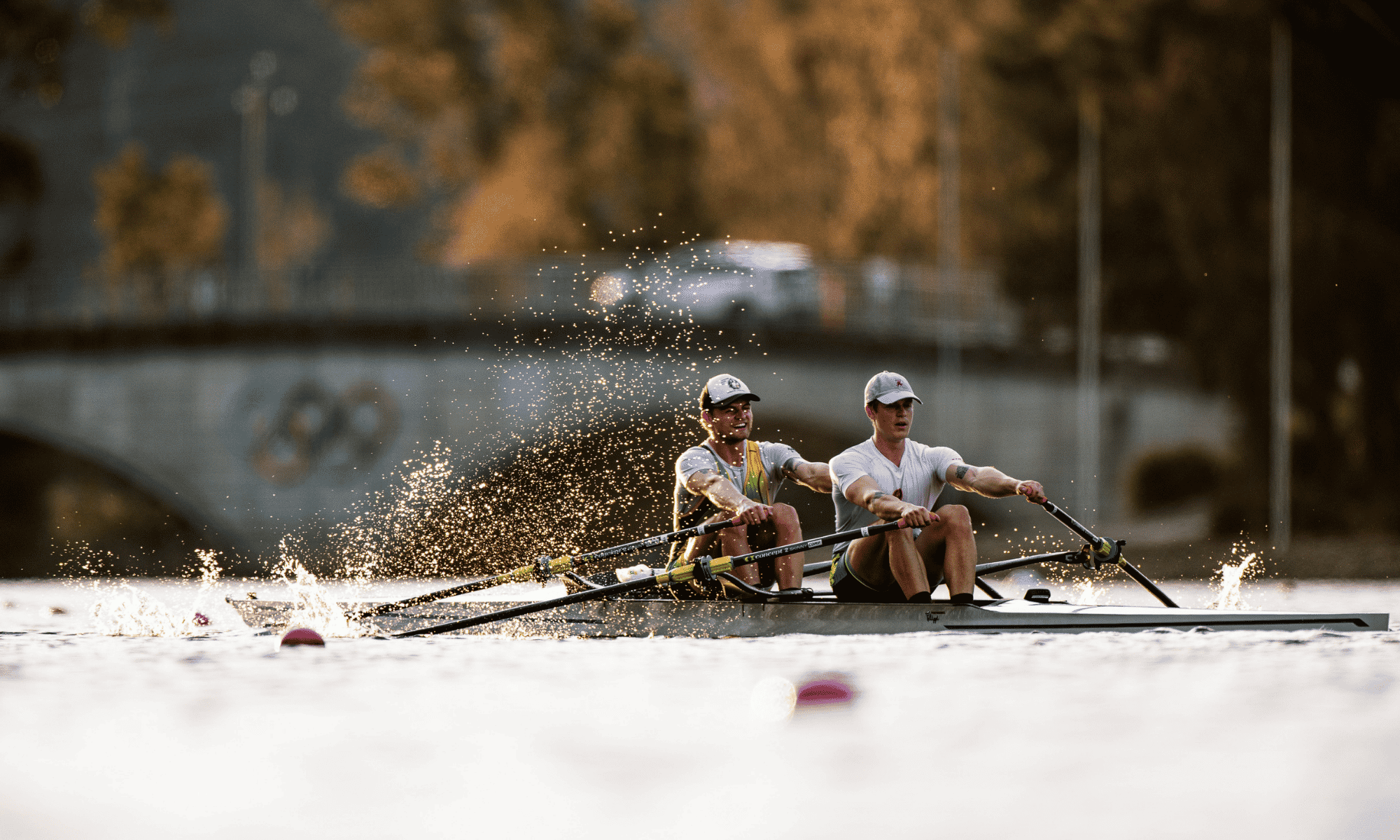
AUS Rowing Desktop Banners 2000 x 1200-2
NO EXPERIENCE NEEDED
BRISBANE 2032
AGES 14 - 21
10 PERFORMANCE HUBS
FREE TESTING
OLYMPIC PATHWAY
NO EXPERIENCE NEEDED
BRISBANE 2032
AGES 14 - 21
10 PERFORMANCE HUBS
FREE TESTING
OLYMPIC PATHWAY
NO EXPERIENCE NEEDED
BRISBANE 2032
AGES 14 - 21
10 PERFORMANCE HUBS
FREE TESTING
OLYMPIC PATHWAY
NO EXPERIENCE NEEDED
BRISBANE 2032
AGES 14 - 21
10 PERFORMANCE HUBS
FREE TESTING
OLYMPIC PATHWAY
NO EXPERIENCE NEEDED
BRISBANE 2032
AGES 14 - 21
10 PERFORMANCE HUBS
FREE TESTING
OLYMPIC PATHWAY

Talent Testing

Discover Your Potential 

Australia has a long history of identifying and developing talented athletes from a wide range of sporting backgrounds.


Our Talent Identification (TID) testing is designed to help uncover athletes with the physical attributes, mindset and untapped potential to succeed in rowing. We are currently seeking male and female athletes aged 14–21, including both aspiring rowers and athletes from other sports interested in talent transfer opportunities.


What We Look For


Talent is more than current performance. We look for a combination of attributes linked to long-term rowing potential, including:

✅  Height and arm span
✅  Strength and power
✅  Aerobic capacity
✅  Athletic background and trainability

✅  Competitive mindset and willingness to learn

For talent transfer athletes, previous sporting experiences and endurance indicators may also help inform potential.

What Talent Testing Involves

Testing sessions are designed to be challenging, informative and enjoyable, while helping us learn more about you as an athlete.
  • Athete Profile
  • Strength and Power Testing
  • Aerobic Testing

We begin by getting to know you.

This includes:

  • Height, arm span, weight and seated height measurements
  • Discussion about your sporting background and achievements
  • Any rowing or ergometer experience
  • Family sporting background (where relevant)

Importantly, we’re not just looking at where you are now, but what you may be capable of developing into.

You’ll also have time to warm up and familiarise yourself with the testing before beginning.

Dyno and Vertical Jump

The Dyno and Vertical Jump tests work together to assess both maximal strength and explosive power. Athletes should aim to give their best effort, understanding that these results contribute to an overall evaluation rather than a single pass-or-fail outcome.

Using the Concept2 Dyno, athletes complete three rowing-relevant power tests:

  • Leg Press
  • Arm Press
  • Arm Pull

Each is completed as a maximal 3-repetition effort, helping assess strength and power characteristics important in rowing.

Why do we measure Vertical Jump?

Vertical Jump is included in Talent ID because it helps assess explosive leg power, an important quality in rowing. While rowing is an endurance sport, the ability to produce force and power through the legs is critical for acceleration, race starts and boat speed.

How is it tested?

The test is simple:

  • First, your standing reach is measured
  • Then you perform a maximum vertical jump from a stationary start
  • The difference between your reach and jump height becomes your score

This may be measured using a jump mat, force plate or similar equipment.

Vertical Jump is one indicator of athletic potential and is considered alongside other testing measures as part of a broader assessment.

Athletes complete an arm-leg endurance test, where intensity increases progressively until the target rate can no longer be maintained.

This gives insight into:

  • Aerobic fitness
  • Work capacity
  • Endurance potential

Following testing, we’ll talk through the session and outline next steps.

Talent testing is not simply about “passing” or “failing.” It is one part of identifying athletes with long-term development potential, and for some, it may open the door to further opportunities in rowing pathways.

We begin by getting to know you.

This includes:

  • Height, arm span, weight and seated height measurements
  • Discussion about your sporting background and achievements
  • Any rowing or ergometer experience
  • Family sporting background (where relevant)

Importantly, we’re not just looking at where you are now, but what you may be capable of developing into.

You’ll also have time to warm up and familiarise yourself with the testing before beginning.


The Dyno and Vertical Jump tests work together to assess both maximal strength and explosive power. Athletes should aim to give their best effort, understanding that these results contribute to an overall evaluation rather than a single pass-or-fail outcome.

Using the Concept2 Dyno, athletes complete three rowing-relevant power tests:

  • Leg Press
  • Arm Press
  • Arm Pull

Each is completed as a maximal 3-repetition effort, helping assess strength and power characteristics important in rowing.

Why do we measure Vertical Jump?

Vertical Jump is included in Talent ID because it helps assess explosive leg power, an important quality in rowing. While rowing is an endurance sport, the ability to produce force and power through the legs is critical for acceleration, race starts and boat speed.

How is it tested?

The test is simple:

  • First, your standing reach is measured
  • Then you perform a maximum vertical jump from a stationary start
  • The difference between your reach and jump height becomes your score

This may be measured using a jump mat, force plate or similar equipment.

Vertical Jump is one indicator of athletic potential and is considered alongside other testing measures as part of a broader assessment.

Athletes complete an arm-leg endurance test, where intensity increases progressively until the target rate can no longer be maintained.

This gives insight into:

  • Aerobic fitness
  • Work capacity
  • Endurance potential

Following testing, we’ll talk through the session and outline next steps.

Talent testing is not simply about “passing” or “failing.” It is one part of identifying athletes with long-term development potential, and for some, it may open the door to further opportunities in rowing pathways.

What To Bring

  • Comfortable training clothes
  • Trainers
  • A water bottle
  • A willingness to challenge yourself

More Than A Test

At its core, Talent Identification is about opportunity.

Some of Australia’s best rowers have come through non-traditional pathways. Whether you are already in the sport or coming from another one, this may be the start of discovering where your potential can take you.

Why People Fall in Love with Rowing

They started just like you

Athlete Stories
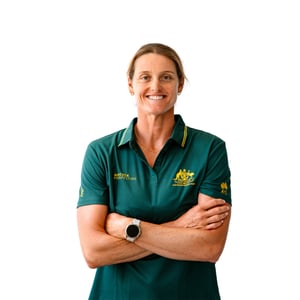
Georgie Rowe
GEORGIE ROWE#856 | NSW | UTS Haberfield Rowing Club

Georgie “G” Rowe is one of the most dynamic and versatile athletes in Australian rowing.

Georgie took up rowing in 2017 and has since become a staple of the Australian Women’s Eight, competing at the highest levels of international sport across both flatwater, beach sprints and surf disciplines.
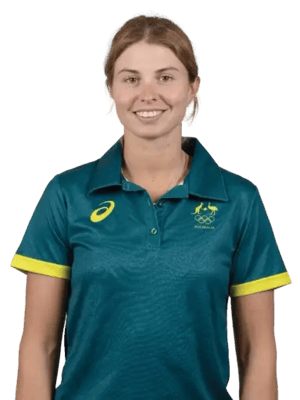
Read Georgie's story here.

Tara Rigney
TARA RIGNEYFROM ACL INJURIES TO OLYMPIC GOLD

Growing up in Sydney, NSW, Tara excelled in netball, playing for the U19 state team.

Two severe ACL injuries, which initially seemed like setbacks, ultimately led her to discover a new passion for rowing and the beginning of an exciting new chapter in her sporting career.

Read Tara's story here.